
How it works
HVAC Maintenance Checklist for Spring and Fall
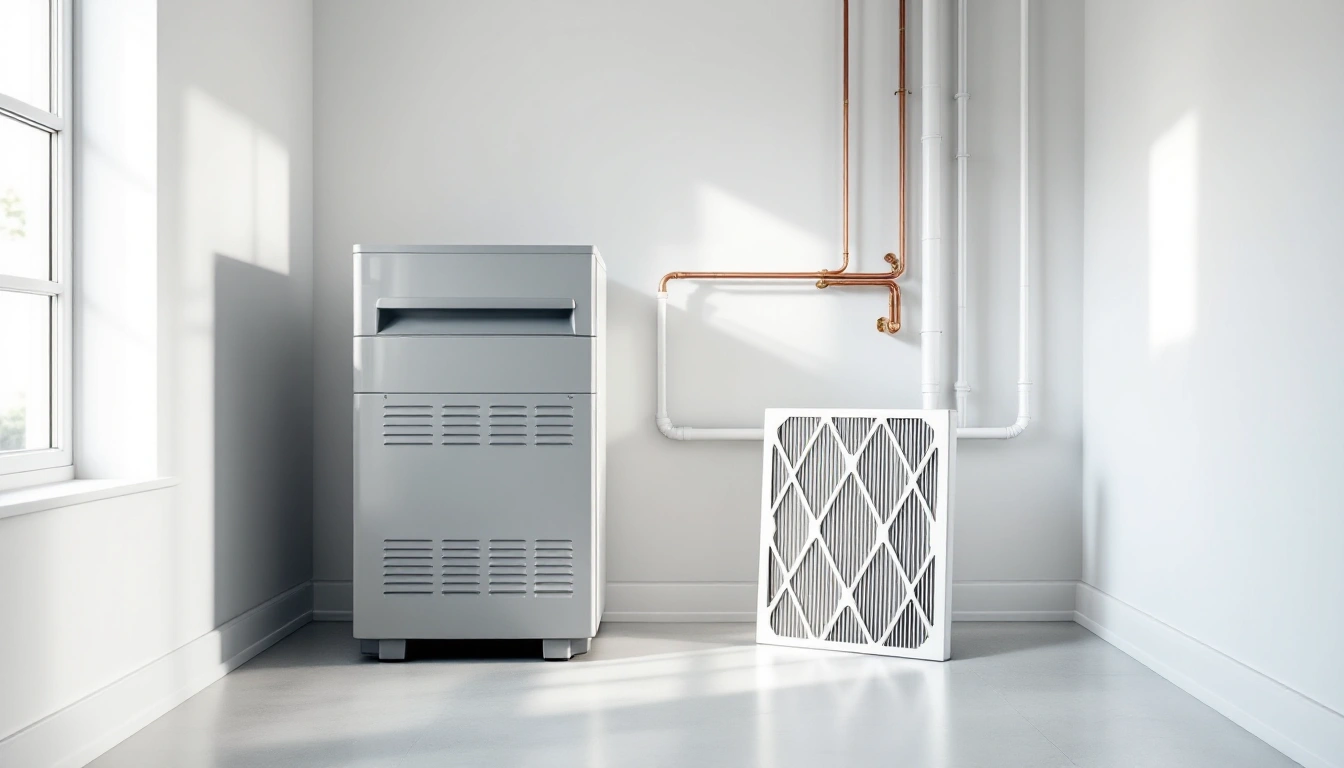
An HVAC maintenance checklist has two parts: monthly filter and airflow checks you do yourself, plus spring cooling and fall heating pro tune-ups.
Sections7
An HVAC maintenance checklist has two parts. Do monthly filter and airflow checks yourself. Then book a trained pro in spring for cooling and in fall for heating. That simple plan keeps coils clean and helps catch wear and leaks early.
Heating and cooling make up about 32% of home energy use, per the U.S. Department of Energy Energy Saver Guide (August 2022). An earlier DOE Guide to Home Heating and Cooling (October 2010) says regular upkeep can cut heating and cooling costs by 5% to 10% and help equipment last longer.
Seasonal HVAC care at a glance
Use four checkpoints each year so no task gets missed. Spring and fall clock changes are a simple reminder to call your shop before peak weather arrives.
| Season | Homeowner | Pro tasks |
|---|---|---|
| Monthly (peak use) | Check or clean filters; clear room vents | None unless a fault shows up |
| Spring (cooling) | Clear weeds and leaves by outdoor unit; set mode to Cool | Clean coils and drain; check airflow, terminals, and charge |
| Fall (heating) | Clear snow path; test CO alarms; clear 3 feet by heaters | Inspect and tune up furnace, heat exchanger, flues, and controls |
| Yearly (any time) | Vacuum supply and return grilles; update care log | Check open ducts for leaks or crushed runs |
Scroll for more →
If one heat pump handles both summer and winter, check your maker's rule. The Consortium for Energy Efficiency heat pump guide (January 2024, hosted by DOE) notes most heat pump makers ask for a pro check every one to two years.
Monthly checks you can do yourself
You do not need special tools to protect airflow. Always switch the system off before you pull a filter, and follow your owner manual.
- Check the air filter once a month during heavy use, and keep furniture, carpeting, and drapes away from registers so air flows freely, per the DOE Energy Saver Guide (2022).
- Swap disposable central filters every 60 to 90 days, or sooner if they look gray and clogged, per the EPA Guide to Air Cleaners in the Home (updated October 2026). Make sure the filter fits snugly in the slot so air does not leak around the edges, and never bend or crush a filter to make it fit.
- Wash ductless wall filters at least once a month, and more often with pets or heavy dust, per the CEE guide (2024). Let them dry fully before you put them back.
- Clear leaves, weeds, grass, and snow from around the outdoor unit after storms or yard work (DOE, 2010; CEE, 2024).
- Keep anything that can burn at least 3 feet from furnaces, stoves, and space heaters, per U.S. Fire Administration Heating Fire Safety guidance.
For ductless heads, read the ductless mini split maintenance guide before you lift a cover. Wall-mounted ductless units have limited filtration meant to keep the inside of the air conditioner clean rather than remove fine particles from room air.
Spring cooling checkup for AC and heat pumps
Book a pro to check your central AC, heat pump, or ductless unit in spring before hot days arrive (DOE, 2010). Most of the checklist below follows the CEE heat pump guide (2024) and the EPA air duct and HVAC guide (EPA 402-K-97-002).
- Clean indoor and outdoor coils. Some research suggests that clean coils, fans, and heat exchangers may improve system efficiency (EPA 402-K-97-002).
- Clean the condensate drain pan and check the drain line for clogs. Cooling pulls water out of room air, and standing water or a blocked line can lead to leaks, moisture, and mold.
- Clean the blower blades and check that airflow is adequate.
- Check refrigerant charge, look for refrigerant leaks, and confirm outdoor refrigerant lines are insulated and UV protected.
- Inspect electric terminals.
- Check thermostat mode and fan settings. The DOE Energy Saver Guide (2022) advises leaving the fan switch on Auto unless an air-quality pro set it to run nonstop.
Leave refrigerant checks to a licensed pro. Under EPA Section 608 rules (40 CFR Part 82, Subpart F, updated November 2026), anyone who hooks up gauges or adds or removes refrigerant must hold EPA certification.
To compare central cooling, room units, and ductless splits, see the home air conditioning guide.
Fall heating checkup for furnaces and heat pumps
Book heating service in fall before cold weather hits (DOE, 2010). A fall check protects both heat output and home safety.
Fuel-burning heaters can cause fires or carbon monoxide leaks if parts wear out or vents clog. The EPA Carbon Monoxide guide (updated July 2026) urges a yearly pro check, clean, and tune-up for furnaces, flues, and chimneys. The U.S. Fire Administration also stresses yearly checks of heating gear and chimneys.
Ask your pro to check these points each fall:
- For gas, propane, or oil furnaces and boilers: have a pro inspect, clean, and tune up the furnace, flues, and chimney, including the heat exchanger (EPA Carbon Monoxide guide; EPA 402-K-97-002).
- For all vented fuel heaters: check flues, vents, and chimneys for clogs, leaks, or back-drafting so exhaust leaves safely.
- For electric heat pumps: test heat mode and make sure backup electric strip heat comes on only when needed, not in mild weather (CEE, 2024).
- For outdoor heat pumps in cold areas: check that roof runoff or heavy snow will not block the unit and that melt water drains away from walks. Do not put a winter cover over a heat pump that runs in winter.
- For all heating gear: check thermostat schedules. The DOE Energy Saver Guide (2022) notes that a 7 to 10 degree setback for 8 hours a day can save up to 10% a year, but heat pump owners should skip big manual drops that trigger costly backup heat.
The U.S. Consumer Product Safety Commission, cited on the EPA Carbon Monoxide page, advises carbon monoxide alarms on every level outside each sleeping area. As a practical habit, test alarm batteries each fall when you book heat service.
For seasonal target temperatures, use the thermostat settings guide.
Ducts, grilles, and indoor air checks
Ducts carry warm or cool air from central gear to each room. Leaks or crushed runs waste energy and pull dusty attic or crawl-space air inside.
- Vacuum supply registers and return grilles once a year to clear dust (CEE, 2024).
- Check open ducts in basements, attics, or closets for disconnected or crushed ductwork (DOE, 2010).
- Hire a trained pro to seal duct leaks and test airflow and safe exhaust draft afterward (DOE Energy Saver Guide, 2022).
- Tape off vents and shut off the HVAC system during dusty home remodeling until cleanup ends (EPA 402-K-97-002).
Skip routine yearly duct cleaning. The EPA says yearly HVAC care means filter swaps, coil and drain-pan cleaning, and annual heat checks. Clean ducts only if you see heavy mold on hard metal ducts, pests inside ducts, or thick dust blowing out of vents.
For step-by-step mastic and UL-181 foil tape sealing, before-and-after leakage testing, and combustion safety checks, see our duct sealing guide.
Warning signs and system lifespan
Call a pro between visits if you spot any sign listed in the CEE heat pump guide (2024):
- A sudden jump in power or fuel use with no big weather change
- Fast on-off cycling or failure to reach the set temperature
- Sticky, high indoor humidity during cooling season
- Excessive noise or strange smells from the unit or ductwork
- Ice on indoor or outdoor coils that will not clear in defrost
- Backup heat staying on in mild cold
Good care slows wear, yet every unit wears out in time. The federal and consortium guides cited on this page do not publish a single lifespan figure for central air conditioners. As a guide, the CEE report notes air-source heat pumps typically last about 15 years depending on type and care. The DOE Energy Saver Guide suggests weighing a new unit when a heat pump or AC is over 10 years old, or a furnace or boiler is over 15 years old, if repairs pile up and bills rise.
To weigh a big repair against a new unit on the same room plan, read the mini split lifespan guide.
When a cooling fault shows up between tune-ups, use our common air conditioner problems guide to separate simple filter, breaker, and drain checks from licensed repair work.
Keep a simple HVAC care log
A short written log turns vague tune-up bills into clear history. Keep one folder with your owner manuals and note each visit on one page.
| Field | What to write | Why it helps |
|---|---|---|
| Unit ID | Indoor and outdoor model and serial numbers | Speeds up filter sizing, parts lookup, and warranty claims |
| Filter log | Date, filter size, MERV rating, and dirt level | Shows if 60 to 90 days is too long for your home |
| Visit notes | Work done, charge or airflow notes, and open faults | Stops repeat work and tracks slow leaks |
Scroll for more →
Ask for an itemized bill instead of a one-line "tune-up" note. That way you can verify coils, drains, terminals, and heat exchangers were checked.
Return to the guide to how mini splits work for the full map of indoor heads, outdoor units, lines, and drains.
Quick answers
When is the best time to book HVAC service?
Book a cooling check in spring before hot weather hits, and a heating check in fall before cold weather starts.
How often should I change an HVAC air filter?
Replace most central filters every 60 to 90 days and wash ductless filters monthly, or sooner with heavy dust or pets.
Can I check or top up HVAC refrigerant myself?
No. Under federal EPA Section 608 rules, only a certified technician may hook up gauges or add and remove refrigerant.
Do air ducts need cleaning every year?
No. The EPA advises duct cleaning only for heavy mold on hard ducts, pests inside ducts, or thick dust blowing from vents.
What filter rating works best for home air?
The EPA suggests MERV 13 or higher if your fan and filter slot can handle it. Ask a pro first so a dense filter does not choke airflow.