
How it works
Common Air Conditioner Problems and Fixes
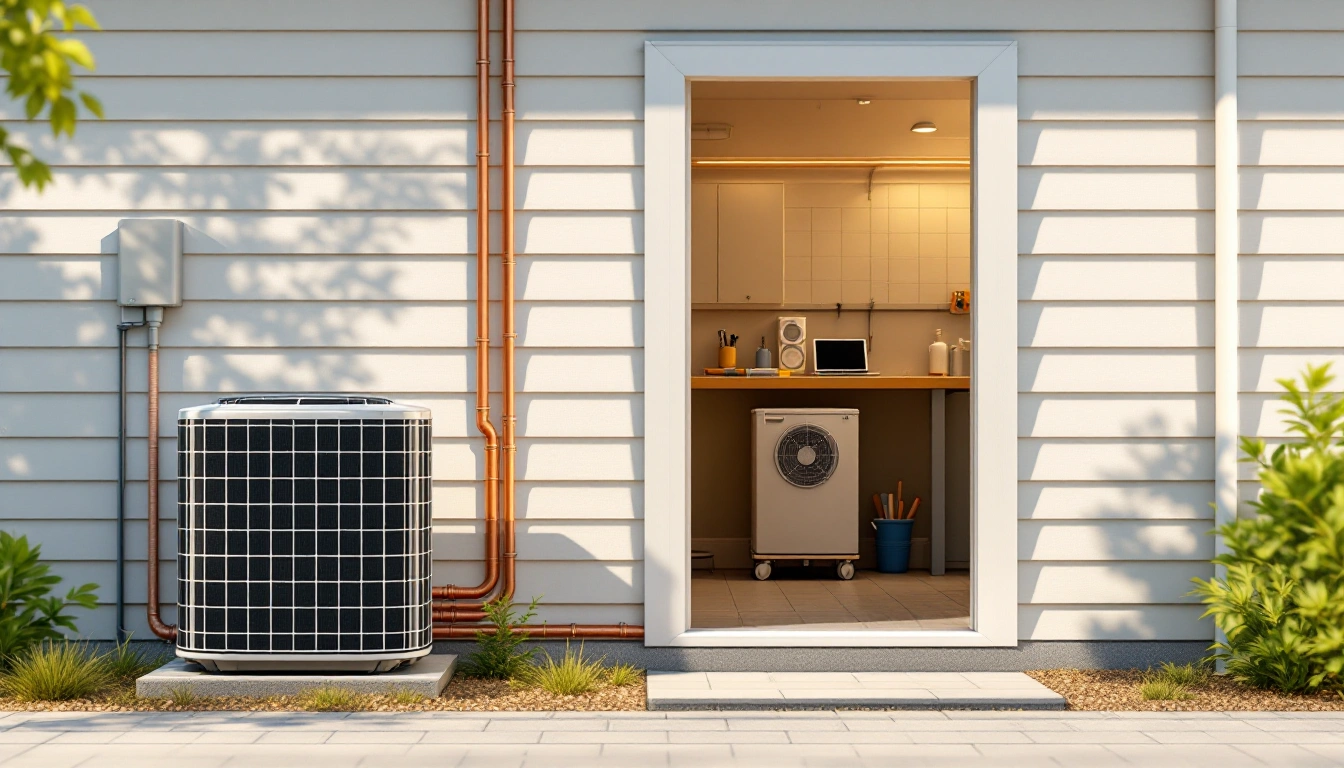
Common air conditioner problems include dirty filters or coils, low refrigerant, tripped power or worn controls, clogged drains, and leaky ducts. Check the filter, thermostat, and breaker first, then call a pro for power or refrigerant faults.
Sections11
- Quick symptom check for home air conditioners
- Five safe checks before you call a pro
- Dirty filters, dirty coils, and weak airflow
- Frozen indoor coils
- Refrigerant leaks and wrong charge
- Power faults, breakers, and worn controls
- Thermostat and sensor placement
- Clogged drains and indoor humidity
- Leaky ducts and install faults
- Owner checks vs. pro repairs
- When to fix vs. replace an old unit
Common air conditioner problems include dirty filters or coils, low refrigerant, tripped power or worn controls, clogged drains, and leaky ducts. Check the thermostat, air filter, and breaker yourself first. Call a licensed HVAC pro for refrigerant leaks, wiring faults, or repeat shutoffs.
Heating and cooling use nearly half of all home energy, per ENERGY STAR. Even small faults make a unit run longer, raise summer bills, and wear parts out early.
Quick symptom check for home air conditioners
Match what you see or hear to the likely cause before you touch any part.
| Symptom | Likely cause | First step |
|---|---|---|
| Weak air or warm air | Dirty filter, shut vents, or low charge | Check filter and open all vents |
| Ice on indoor coil or pipe | Blocked airflow or refrigerant leak | Turn cool off; run fan to thaw |
| Unit will not start | Tripped breaker, dead thermostat, or bad control | Check batteries and breaker |
| Water near indoor unit | Plugged drain line or full drip pan | Shut unit off and dry wet spots |
| Hot rooms and high bills | Leaky ducts, dirty outdoor coil, or wrong size | Clear outdoor unit and check ducts |
Scroll for more →
Five safe checks before you call a pro
Work through these steps in order. Switch power off at the thermostat or shutoff box before you pull a filter or clear leaves.
- Check the thermostat. Set the mode to Cool and drop the set point below room heat. Put in fresh batteries if the screen looks dim. Make sure sun, lamps, or drafts do not hit the wall sensor.
- Check the breaker and shutoff box. Look at your main panel and the outdoor switch by the unit. If the AC breaker tripped, let the unit cool down, then reset it one time. Stop if it trips again.
- Pull the air filter. Hold it up to a light. If dust blocks the light, swap in a clean filter that fits tight so air cannot slip past the rim.
- Open doors and vents. Keep room doors, supply vents, and return grilles open. Pull rugs, drapes, and chairs back from every vent so air flows free.
- Clear the outdoor unit. Pull weeds, leaves, and cut grass away from the outdoor box so heat can escape from the coil.
Dirty filters, dirty coils, and weak airflow
ENERGY STAR advises checking the filter once a month in heavy summer use. Swap it when it looks dirty, and at least every three months.
A plugged filter starves the indoor coil of warm room air. The unit works harder, wastes power, and lets dust build up inside on the coil. Per the maintenance checklist, airflow faults can cut system efficiency by up to 15%.
Dirty outdoor coils also cut cooling. Dirt, pollen, and grass coat the metal fins and trap heat inside. The unit runs longer cycles, burns more power, and wears out sooner. Keep plants back and book spring coil cleaning with a pro.
See our HVAC maintenance checklist for a full year-round care plan.
Frozen indoor coils
Moisture in room air can freeze on a cold indoor coil. Once frost forms, it blocks more air, and the coil can build up thick ice.
Two faults can cause coil icing:
- Blocked airflow: A dirty filter, closed vents, shut doors, or a weak fan stops warm air from reaching the coil.
- Low refrigerant: A leak drops pressure in the coil and chills it below freezing.
If you spot ice on the indoor coil or the large wrapped copper pipe, take these steps:
- Switch the thermostat from Cool to Off so the outdoor unit stops.
- Turn the fan switch to On so warm room air melts the ice.
- Put towels under the indoor unit in case melt water spills past the pan.
- Never chip or scrape ice with a knife or tool. Thin fins and copper pipes puncture fast.
- Put in a clean filter before you turn cooling back on. If ice comes back, shut the unit off and call a pro to check fan speed and refrigerant charge.
Refrigerant leaks and wrong charge
An air conditioner uses a sealed refrigerant loop. It does not burn refrigerant as it runs. If the charge is low, the unit usually either started short at install or has a leak.
Both low charge and overcharge hurt cooling. The ENERGY STAR Maintenance Checklist states that too much or too little refrigerant cuts efficiency, raises bills, and shortens unit life. A simulation study of heat pumps by the National Institute of Standards and Technology, NIST Technical Note 1848 (October 2014, updated May 2026), found that low charge and overcharge are among the faults most likely to raise annual energy use.
Do not pay a shop to just "top off" a leaking unit. Adding gas without fixing the leak wastes cash and lets more gas escape. Under EPA Section 608 (40 CFR Part 82, Subpart F, updated November 2026), EPA certification is required for technicians who attach gauges or add or remove refrigerant. Ask the pro to find the leak, fix it, test the patch, and fill the unit to the maker's spec.
Power faults, breakers, and worn controls
Power trouble often looks like a sudden shutoff, a fan that quits mid-run, or an outdoor box that hums but will not start.
Fast on-off cycling wears out compressor and fan switches. Damp outdoor air and shaking also rust wire ends and loosen screws. Per the ENERGY STAR Maintenance Checklist, bad wire links can cause unsafe runs and cut the life of main parts. At a tune-up, a pro should tighten wire ends, check motor voltage and amps, oil moving parts that need it, and test the start cycle.
If one breaker reset does not fix the unit, or if you smell burnt wire, keep power off and call a pro.
Thermostat and sensor placement
A sound air conditioner still cools poorly when its sensor reads the wrong heat.
- Wall thermostats: Direct sun, lamps, stoves, or door drafts can trick a thermostat into running too long or cutting off too soon. Keep the wall clear around it and swap batteries each year.
- Room air conditioners: Window and wall units have a thin wire sensor behind the front panel. If that bulb slips out of its clip and touches the cold coil, the unit will turn on and off at odd times. Set the bulb back near the coil without touching the metal.
Read our thermostat settings guide for summer set points that cut wear on the unit.
Clogged drains and indoor humidity
Every air conditioner pulls water out of room air as it cools. That water drips into a pan under the indoor coil and flows out through a drain pipe.
Dust, slime, or mold can plug that pipe and make the pan spill onto floors or ceilings. ENERGY STAR notes that a plugged drain can cause water damage and hurt indoor humidity.
Standing water grows mold fast. The EPA Brief Guide to Mold, Moisture and Your Home (updated February 2026) says to keep AC drip pans clean and drain lines clear, keep indoor humidity under 60% (best between 30% and 50%), and dry wet spots within 24 to 48 hours. If you think mold is inside the HVAC unit, EPA guidance says not to run it because it could spread mold throughout the building.
For ductless units, see our mini split drain line guide to compare gravity drains and pumps.
Leaky ducts and install faults
Many cooling issues come from bad air ducts or poor setup, not a dead compressor.
ENERGY STAR Duct Sealing notes that duct leaks, holes, and loose joints raise bills and make rooms hard to cool. Signs include hot or stuffy rooms, high summer bills, and tangled or kinked flexible ducts in an attic or crawlspace. Seal open joints with mastic or metal foil tape, never duct tape.
Poor setup wastes power too. A bad install can cut efficiency by up to 30%. The NIST TN 1848 study (2014) found that stacked faults hit even harder: leaky ducts paired with low refrigerant waste more power than both faults counted alone. NIST also noted that when a fault leaves rooms muggy, people drop the thermostat lower, which pushes power use up again.
Owner checks vs. pro repairs
Use this chart to stay safe.
| Issue | Safe owner check | Call a pro when |
|---|---|---|
| Airflow | Swap filter; open vents; clear outdoor box | Fan feels weak or coils hold thick dirt |
| Power and controls | Check thermostat mode; reset breaker once | Breaker trips again or motors hum and stall |
| Water or ice | Thaw frozen coil; dry spills; check pan | Ice returns, drain stays shut, or mold shows |
| Gas and ducts | Seal open duct joints with mastic or foil tape | Any gauge test, leak fix, or gas fill |
Scroll for more →
When to fix vs. replace an old unit
At some point, repeat fixes cost more than a new unit. ENERGY STAR replacement tips list clear signs to weigh a change:
- Your air conditioner or heat pump is more than 10 years old.
- Repairs pile up and summer bills keep rising.
- Some rooms stay hot while others feel cool, or air stays sticky.
- The unit runs loud, which can point to small ducts or a bad indoor coil.
Installed right, a certified replacement unit can save up to 20% on cooling and heating costs over old gear, per that same page. Fix duct leaks and home air leaks first so a new unit can do its job.
Compare central air, room units, and ductless gear in our home air conditioning guide, or go back to the how mini splits work guide for the full system map.
Quick answers
Why is my air conditioner running but not blowing cold air?
Check the thermostat setting, put in a clean air filter, and open all vents. Turn cooling off if you see ice on the indoor coil or pipe, and check that the outdoor fan spins. Call a pro if air stays warm.
Should I reset a circuit breaker if my AC shuts off?
Let the unit cool down, then reset a tripped breaker one time. If it trips again right away or after a short run, leave it off. Call an HVAC pro or electrician so you do not damage the motor or wires.
Can I add refrigerant to my air conditioner myself?
EPA Section 608 (40 CFR Part 82, Subpart F) requires EPA certification for technicians who attach gauges or add or remove refrigerant.
Why does my air conditioner leak water indoors?
Cooling pulls water out of room air into a drip pan and out a drain pipe. Dust, algae, or a bent pipe can plug that drain and make the pan spill. A frozen coil that melts fast can also flood the pan.
How much air do leaky ducts lose?
A typical home with forced-air cooling loses about 20% to 30% of the air moving through its ducts to leaks, holes, and loose joints. Sealing and insulating ducts can improve efficiency by as much as 20%, and sometimes more (ENERGY STAR).