
How it works
Heat Pump Systems
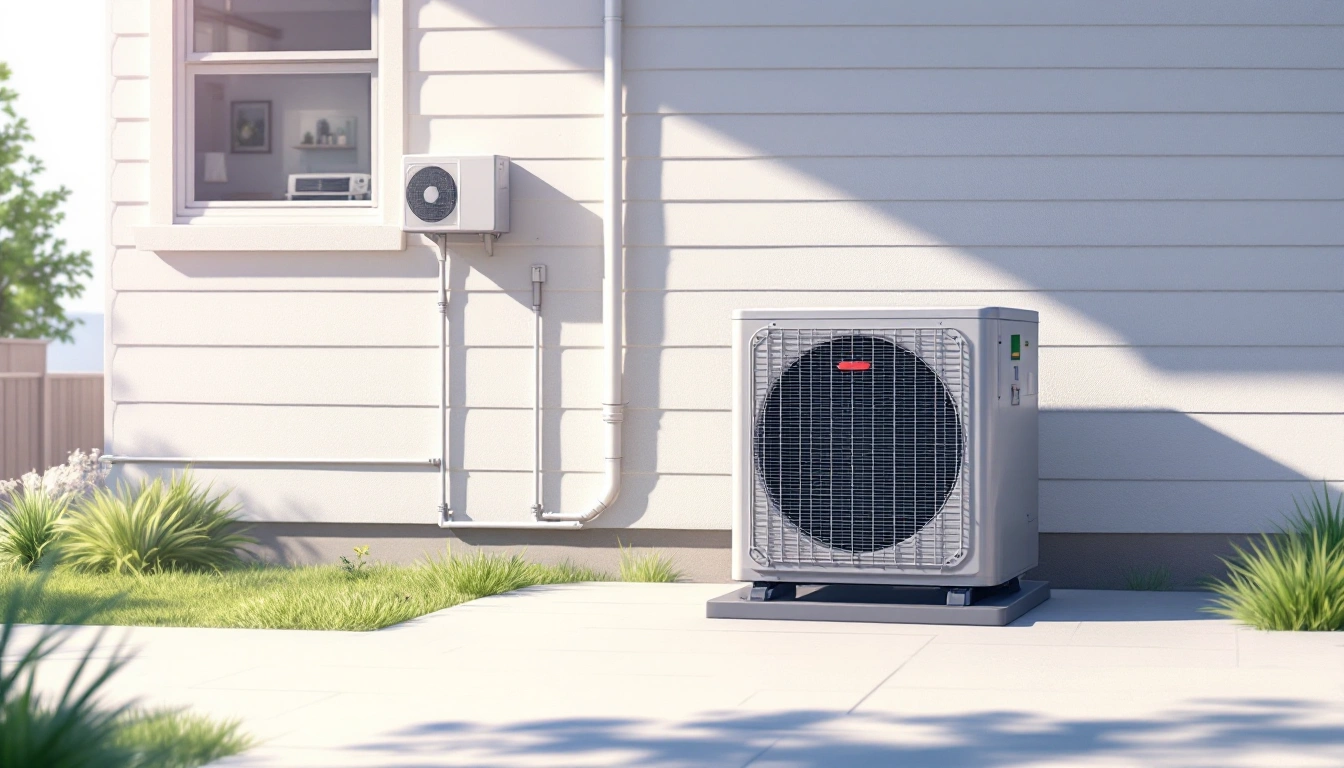
A heat pump moves heat into a home for warmth and can move it outdoors for cooling. Air-source systems exchange heat with outdoor air; ground-source systems use the ground or water.
Sections6
A heat pump moves heat into a home for warmth and can move it outdoors for cooling. An air-source system exchanges heat with outdoor air. A ground-source system exchanges heat with the ground or water.
How a heat pump moves heat
Fans or pumps help move air or water past the heat exchangers. Some systems send warm or cool air through ducts. Others deliver air from indoor units in individual rooms.
The mini-split guide explains the indoor and outdoor parts of a split system. A mini split can be a heat pump, but a cooling-only model cannot heat in reverse. Check the exact equipment before assuming it has both modes.
For room, ducted, and ductless cooling layouts on the same home plan, see the home air conditioning guide.
Types of heat pump systems
The heat source and the way a system serves rooms are separate choices.
| Type | Heat exchange | Delivery |
|---|---|---|
| Air-source | Outdoor air | Ducts or room units |
| Ground-source | Ground or water | Ducts or water pipes |
| Dual-source | Air and ground | Depends on system design |
Scroll for more →
Air-source systems
An outdoor unit exchanges heat with the air. A central system can use ducts to serve rooms. A ductless system has indoor units that deliver air directly. Some systems heat or cool water for delivery inside the home.
Existing ducts can make a central layout worth exploring. Their size, condition and air paths still need a check. A home without ducts may suit room units, but each occupied room needs a delivery plan. A unit in an open hall does not ensure even heat behind a closed door.
Ground-source systems
The land, soil, water and local rules shape the plan. Ask for the loop work and restoration to be included in the quote.
A dual-source system combines air and ground exchange. It needs a design for both paths. Ask how it switches between them and what each path adds to the installed work.
Efficiency, energy use and bills
A heat pump moves heat instead of making all its heat from electric resistance. That is why its heat output can exceed the electricity used to run it.
Use depends on the home, weather, unit and controls.
Get estimates for the same home and energy prices before comparing costs.
Heating and cooling labels describe different tests. Compare heating ratings with heating ratings and cooling ratings with cooling ratings. A seasonal rating does not show heat output on a very cold day. Ask for the exact model's output at the outdoor temperature used for the home's heat-loss calculation.
Cold weather and backup heat
Heat remains in outdoor air even when it feels cold. Yet an air-source unit's output changes with outdoor conditions. Some models are built for cold climates. The inverter guide explains variable-speed operation. The cold-climate guide explains how to compare the stated output with the home's heat loss.
Some homes use backup heat when the heat pump cannot cover the full load. A dual-fuel setup may pair a heat pump with a furnace. The control plan should state when each runs and how rooms receive heat.
Frost can form on an outdoor coil in heating mode. The unit may enter a defrost cycle to clear it. Keep the area open for airflow.
Choose and install a system
A sound choice starts with the home and the rooms to be served. Use the same scope for each quote:
- List each room, its usual door position and the comfort problem to solve. Note any existing heat or cooling that will remain.
- Ask for a room-by-room heating and cooling load calculation. Include planned insulation or air-sealing work in the assumptions.
- Compare delivery plans. Mark ducts or indoor units, outdoor space, power supply, drain routes and access for service.
- Match the exact equipment to the loads. Request heating output at the local design temperature and a clear backup plan if needed.
- Compare quotes for the unit, wiring, permits, site work and controls. For a ground loop, include drilling or trenching and site restoration.
- Ask the installer to record startup measurements, show the controls and leave the manuals and service details.
A larger nameplate does not on its own prove a better fit. Output, airflow and controls must match the job. If a quote leaves a field blank, ask for it before comparing totals.
Keep the system working well
The Consortium for Energy Efficiency's maintenance guidance recommends clean filters and an outdoor unit free of debris. Use the instructions for the actual system to identify the filter and safe access method. The maintenance guide covers routine care for ductless units.
- Turn the system off as instructed for the filter task. Clean or replace the filter using the method for that filter.
- Keep indoor air inlets and outlets clear. Remove leaves and other loose debris from around the outdoor unit without opening its cabinet.
- Note leaks, unusual noise or poor heating and arrange service. Leave electrical and refrigerant work to a qualified technician.
- Keep the model numbers, manuals and service records together. Ask the technician to check airflow, controls and the refrigerant circuit during service.
Ask the installer how the thermostat and any backup heat interact before changing the control plan. Keep the schedule suited to the home and equipment.
Quick answers
Does a heat pump work during a power outage?
An electric heat pump needs electricity to run. Ask an installer about backup power if operation during an outage matters to you.
Can a heat pump also heat water?
Some ground-source systems can supply hot water when equipped for that task. Ask which equipment and controls are included.
Does a ground-source system need a well?
No. A loop can be buried in trenches or vertical holes. A pond or well is one option when the site has one.
Can a heat pump cool only one room?
Yes. A single-zone ductless system can serve one room. Its size and placement still need to suit that room.